ADROX INDUSTRIES

Expertise

ADROX datasheet, page 1 of 3
1 / 3
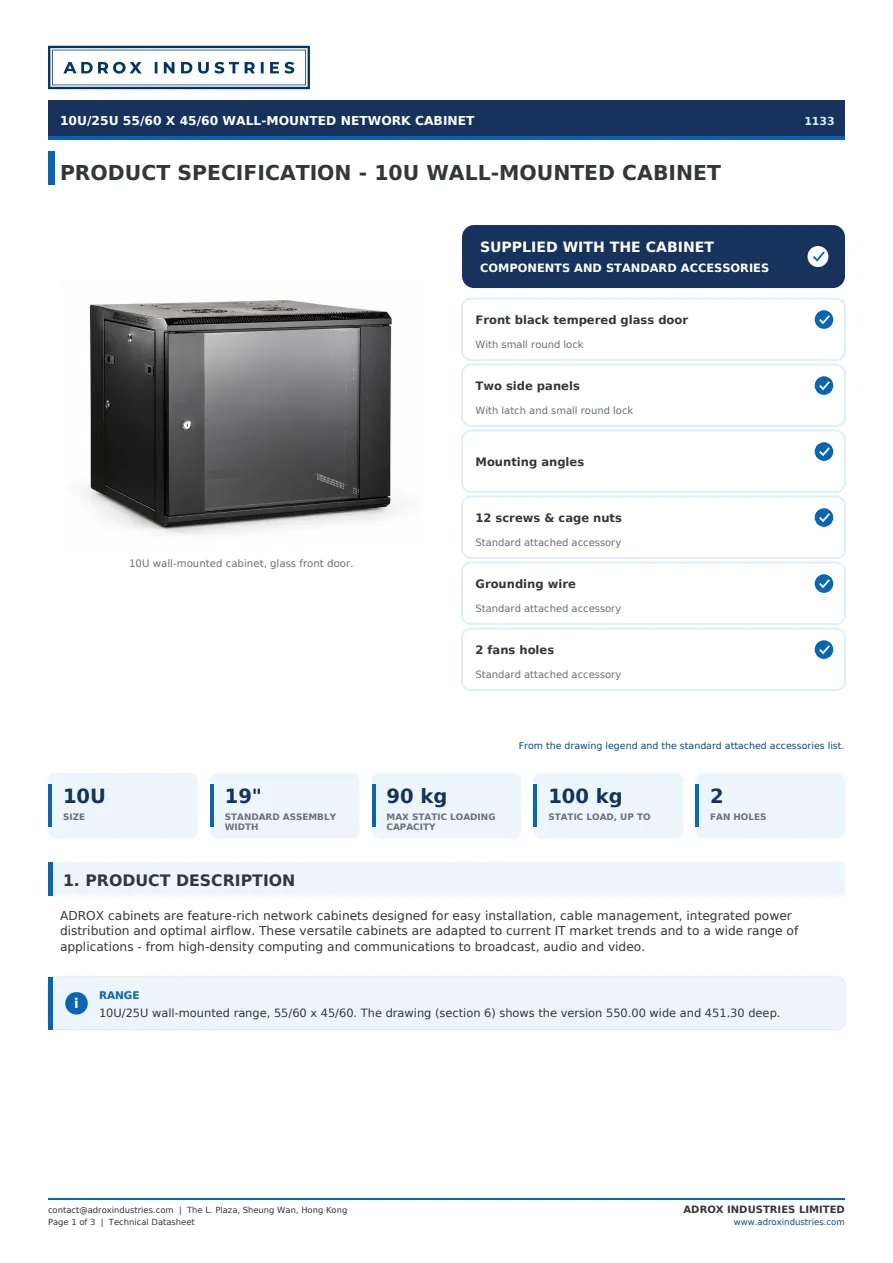
Sample ADROX datasheet, 10U wall-mounted cabinet, reference 1133.

What you will find in our datasheets

Every product in our catalogue has its own datasheet, available on the site. It brings together the materials, dimensioned drawings, load capacity, applicable standards and construction views, as well as the accessories compatible with the product and those supplied with it. We validate it together before moving on to the next step.

Quality control

This extract presents part of the checks carried out. Others, specific to each product, are added to them.

Markings and test standards

  • CEMarking applied by the manufacturer
  • RoHSRestricted substances, Directive 2011/65/EU
  • EN 60529 (IP66)Degrees of protection provided by enclosures (IP Code)
  • UL 94Tests for flammability of plastic materials, vertical test
  • IEC 60695-2-11Glow-wire flammability test method for end-products
  • ISO 4892-3Plastics, exposure to fluorescent UV lamps (artificial weathering)
  • −40 °C / +120 °CTemperature cycling, laboratory method

* Markings and documents supplied depending on the products and accessories ordered.

Laboratory tests

Materials and products are tested by an independent laboratory on a reference model of the range; other sizes are related to it by similarity. The programme depends on the product.

Fire behaviour

Glow-wire test at 960 °C, according to IEC 60695-2-11, and UL 94 flammability, target class V-0, on a specimen aged 168 h at 70 °C.

Enclosure, UV and temperatures

IP66 protection according to EN 60529: dust and water jets of 100 l/min at 2.5-3 m. UV ageing of 500 h according to ISO 4892-3, with the colour read on the grey scale (≥ 4). Temperature cycle from −40 °C to +120 °C.

Restricted substances

X-ray fluorescence (XRF) screening and chemical analysis according to Directive 2011/65/EU (RoHS) and delegated Directive (EU) 2015/863, on 14 plastic and metal parts.

Pre-shipment inspection

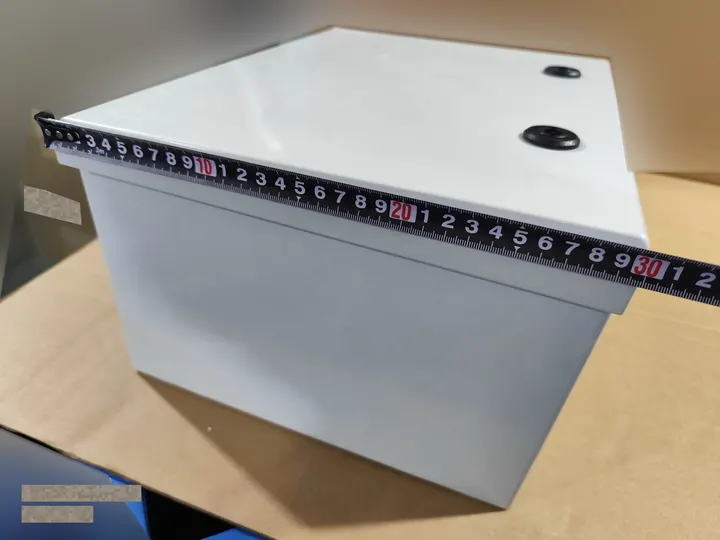
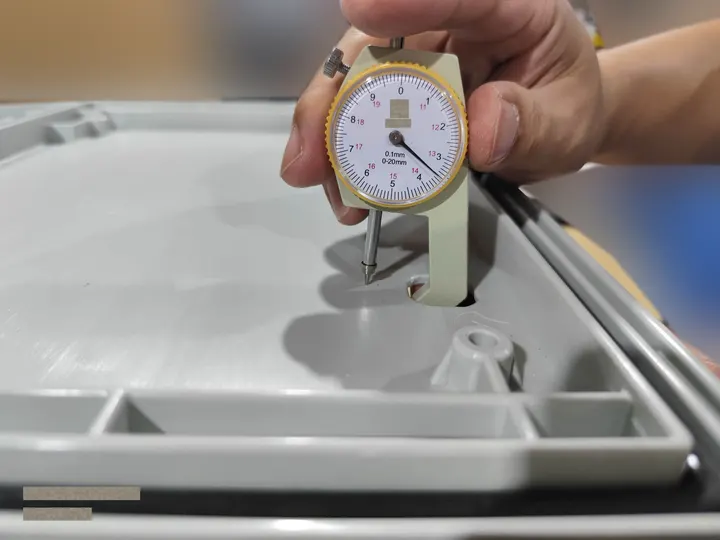
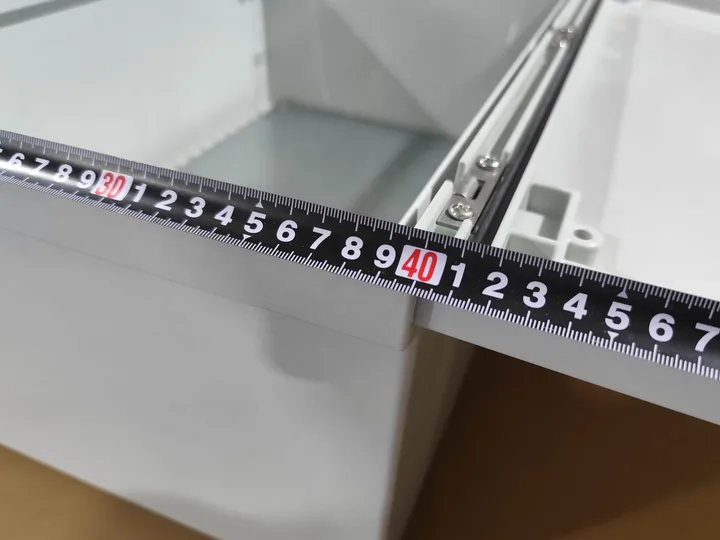
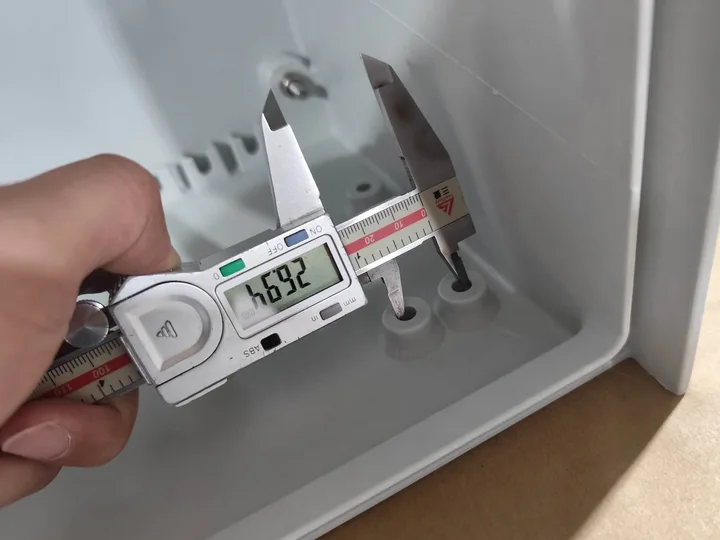
The inspector's instruments (digital caliper, thickness dial gauge, micrometer, tape measure, dynamometer) hold calibration certificates. The inspector draws a sample from the lot according to a standardised sampling plan (AQL sampling plan, ANSI/ASQ Z1.4, normal inspection, level II), then classifies defects as critical, major or minor (AQL 0; 1.0; 2.5). Appearance is examined under standardised lighting of 300 to 600 lx, defects being classified by visibility distance.

  • Measuring the product dimensions
    Measuring the product dimensions
  • Wall thickness gauge
    Wall thickness gauge
  • Measuring a dimension with a tape measure
    Measuring a dimension with a tape measure
  • Measurement with a digital caliper
    Measurement with a digital caliper

1 / 4

Material and finish

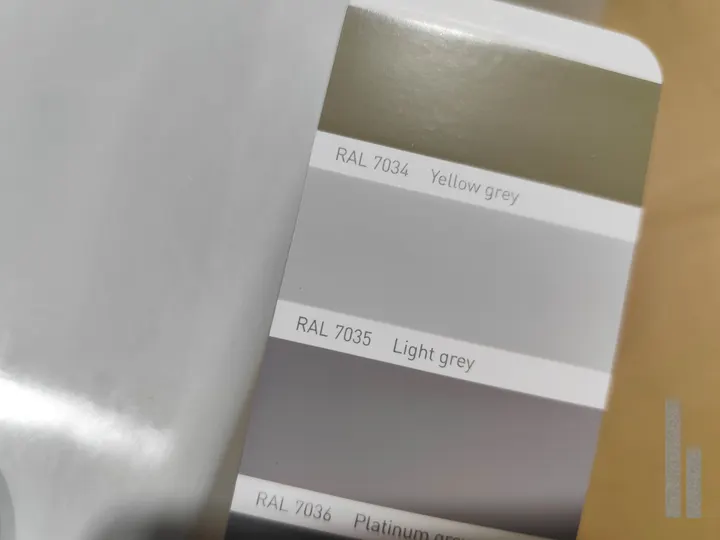
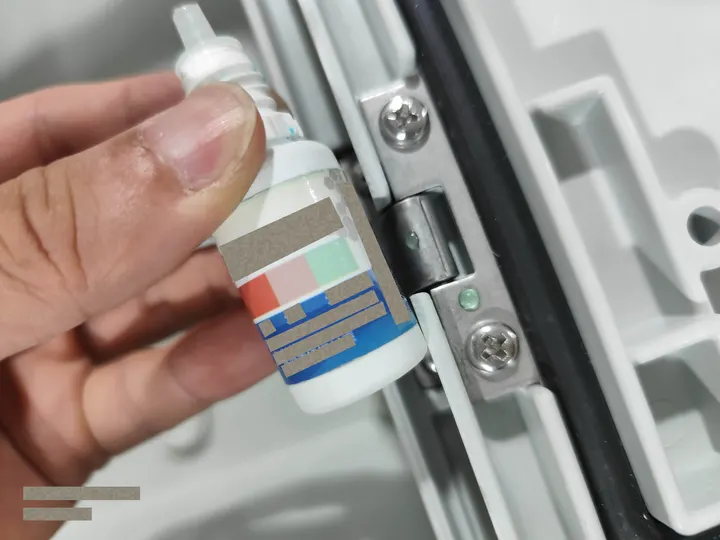
Colour compared with the RAL chart (RAL 7035), stainless steel grade identified with a reagent (304), wall thickness recorded at several points and compared with the specification.

  • Colour check against the RAL chart
    Colour check against the RAL chart
  • Stainless steel 304 identification with a reagent
    Stainless steel 304 identification with a reagent

Functional checks

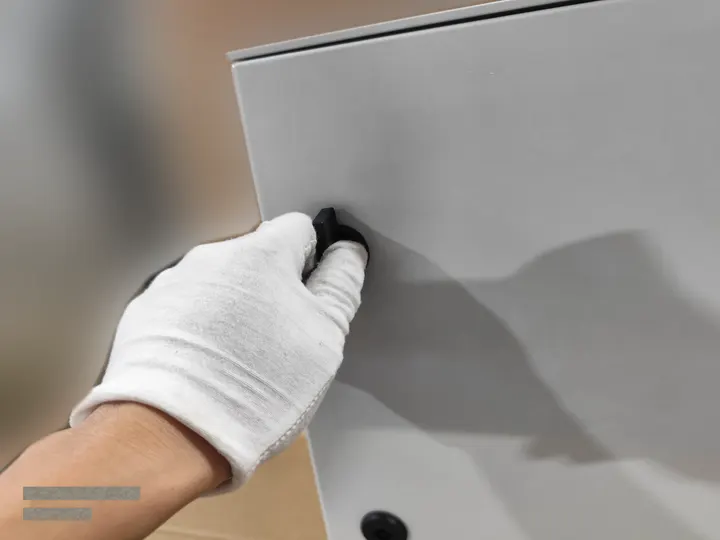
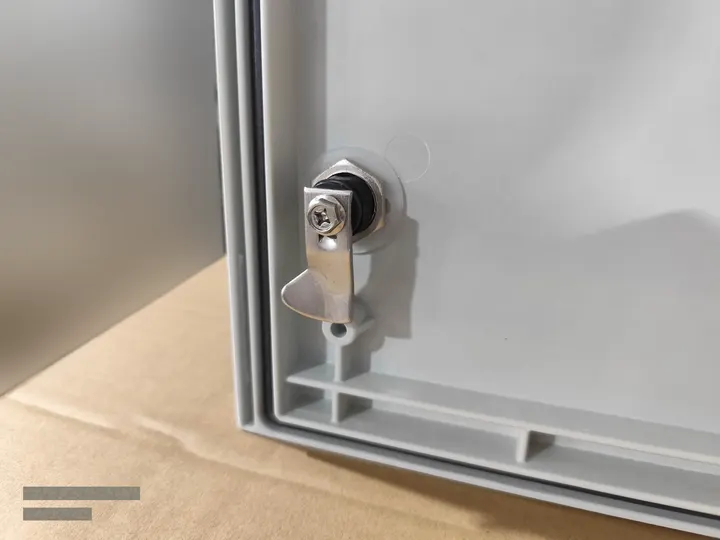
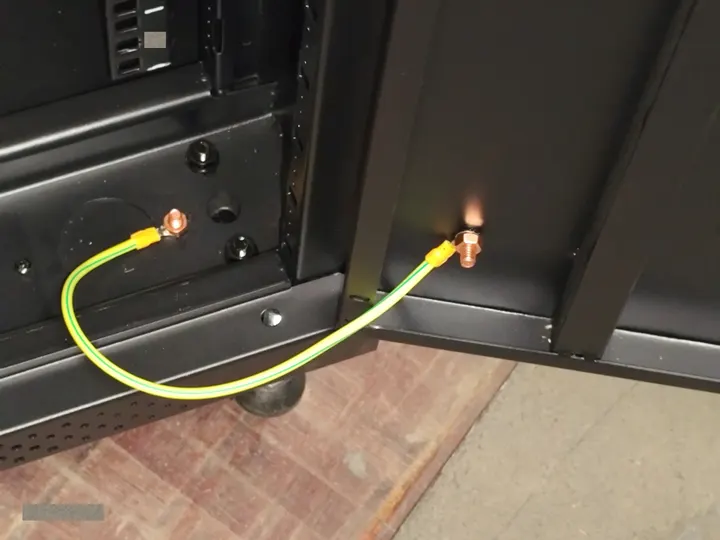
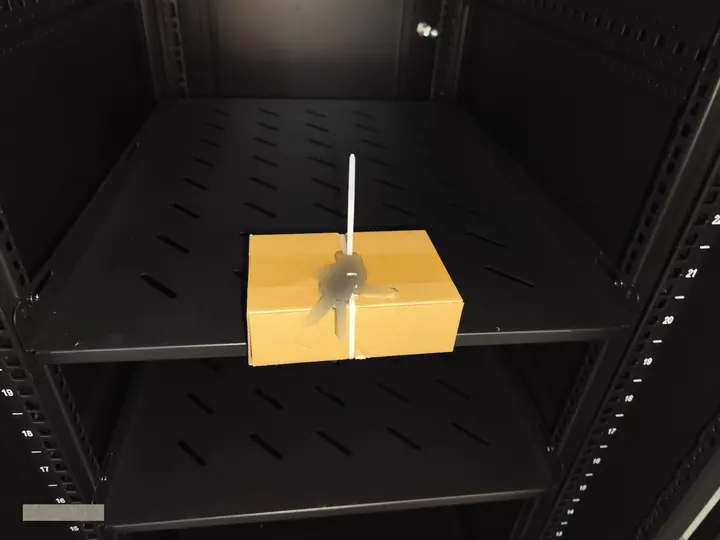
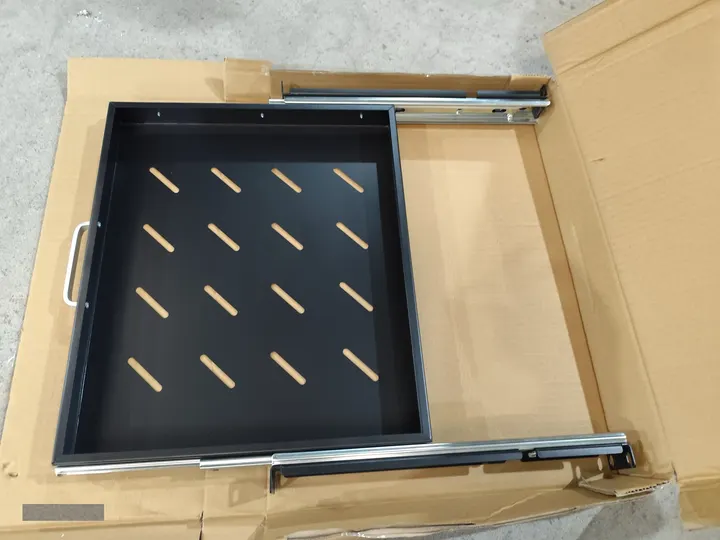
Closing and locking of doors, completeness and assembly of accessories, presence of the earth conductor, operation of sliding shelves, static load test (15 or 30 kg depending on size) and simulated impact test (5 kg mass dropped from 40 cm), which does not replace a standardised test.

  • Handle closing test
    Handle closing test
  • Lock, close-up
    Lock, close-up
  • Earth continuity
    Earth continuity
  • Shelf, assembled
    Shelf, assembled
  • Sliding shelf pulled out
    Sliding shelf pulled out
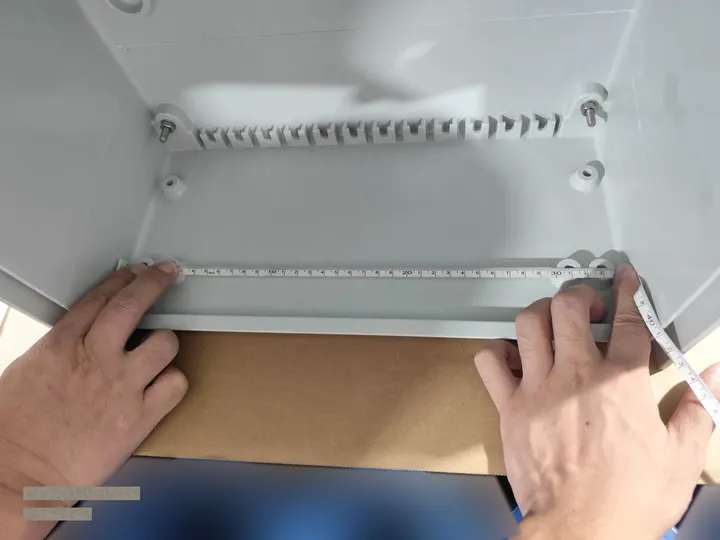
  • Rail spacing
    Rail spacing
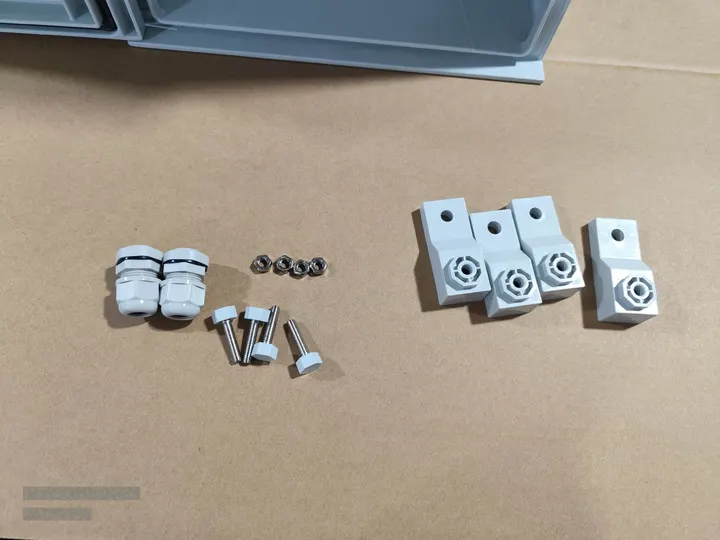
  • Supplied accessories
    Supplied accessories
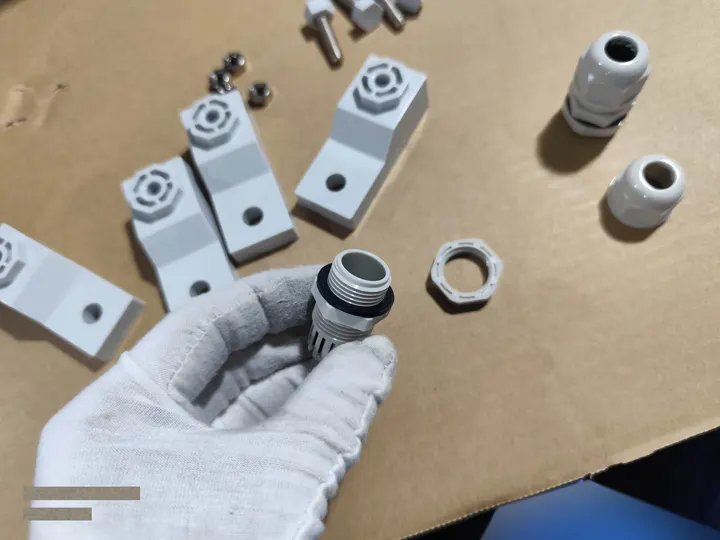
  • Cable glands and accessories
    Cable glands and accessories

1 / 8

Cables and traceability

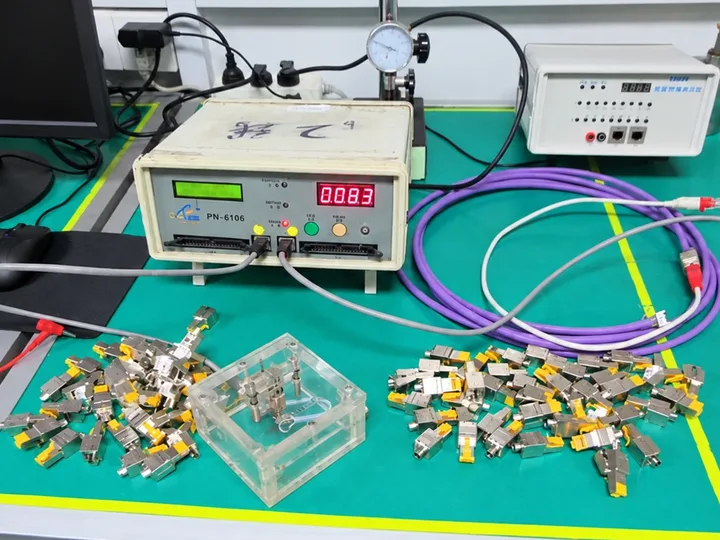
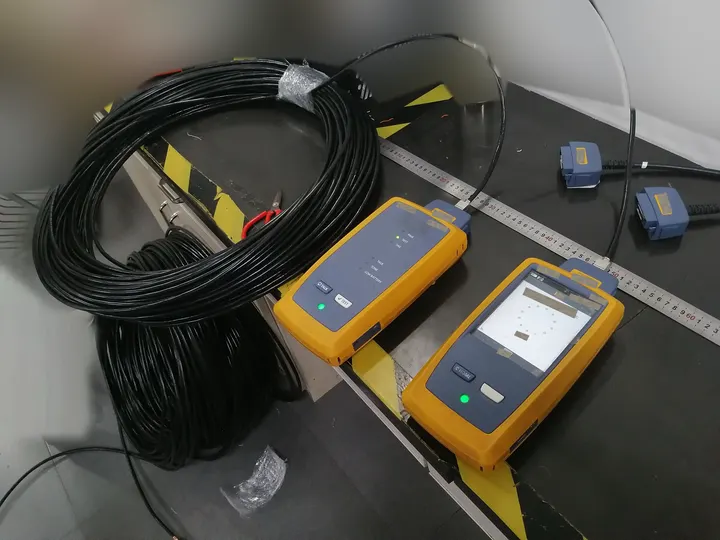
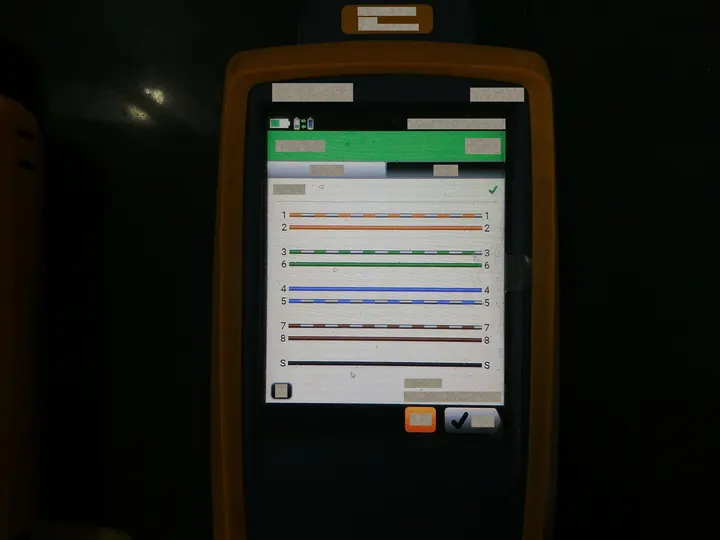
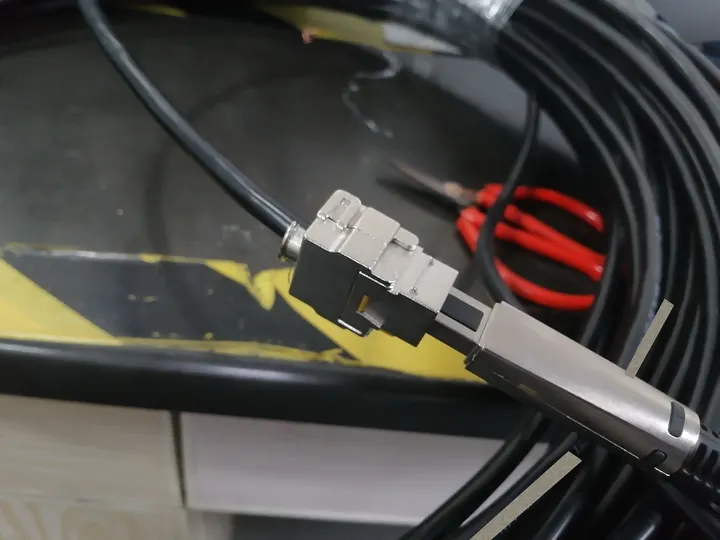
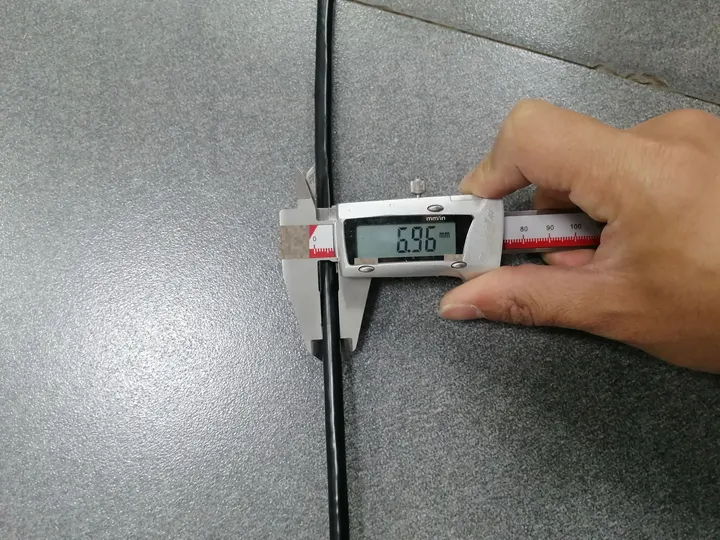
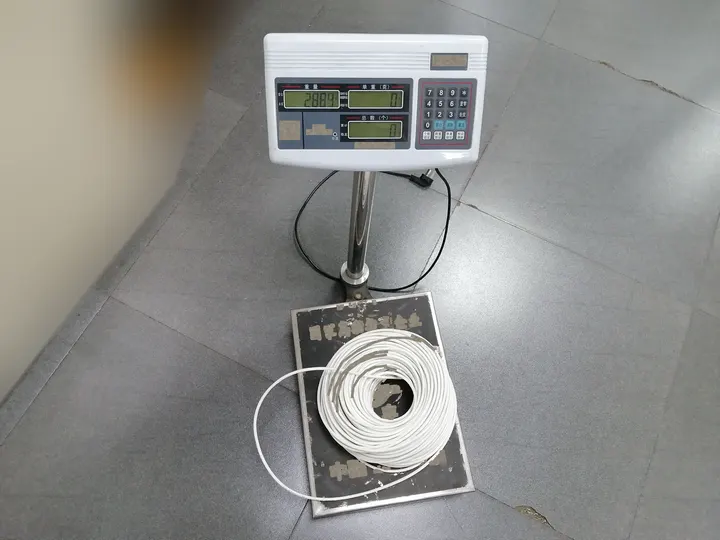
For cables: length, sheath and conductor diameter, internal construction, marking adhesion and net weight, then a wiremap and channel test with a handheld two-unit network tester. Barcodes are scanned and compared with the reference; labels, markings and printed weights are checked.

  • Contact blade height measurement
    Contact blade height measurement
  • Cable and pair tester
    Cable and pair tester
  • Network tester
    Network tester
  • Cable test connector
    Cable test connector
  • Cable diameter with a caliper
    Cable diameter with a caliper
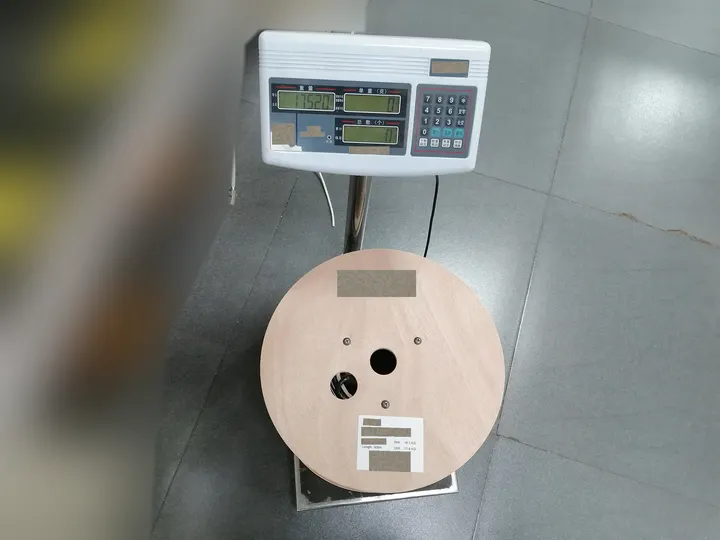
  • Weighing a cable coil
    Weighing a cable coil
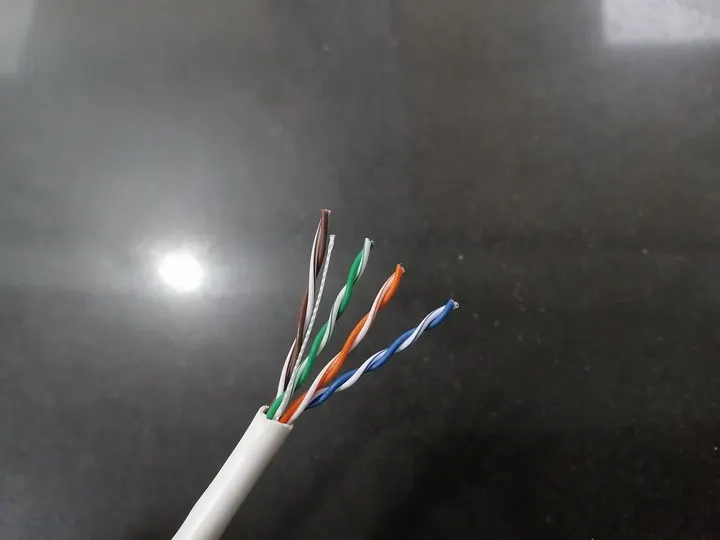
  • Stripped UTP cable
    Stripped UTP cable

1 / 7

Packing, loading and shipping

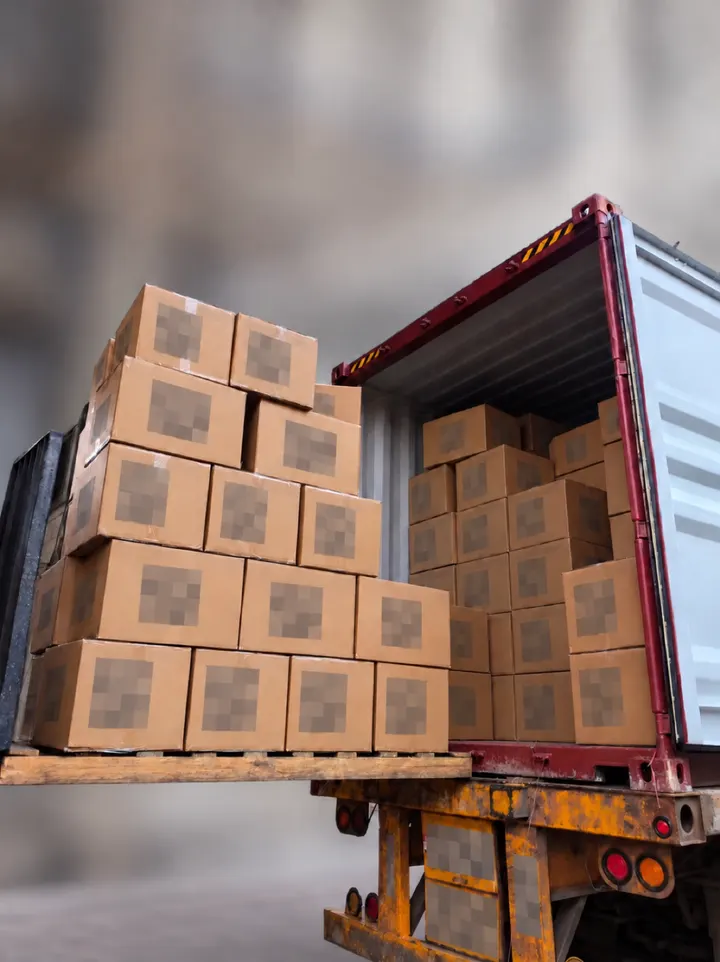
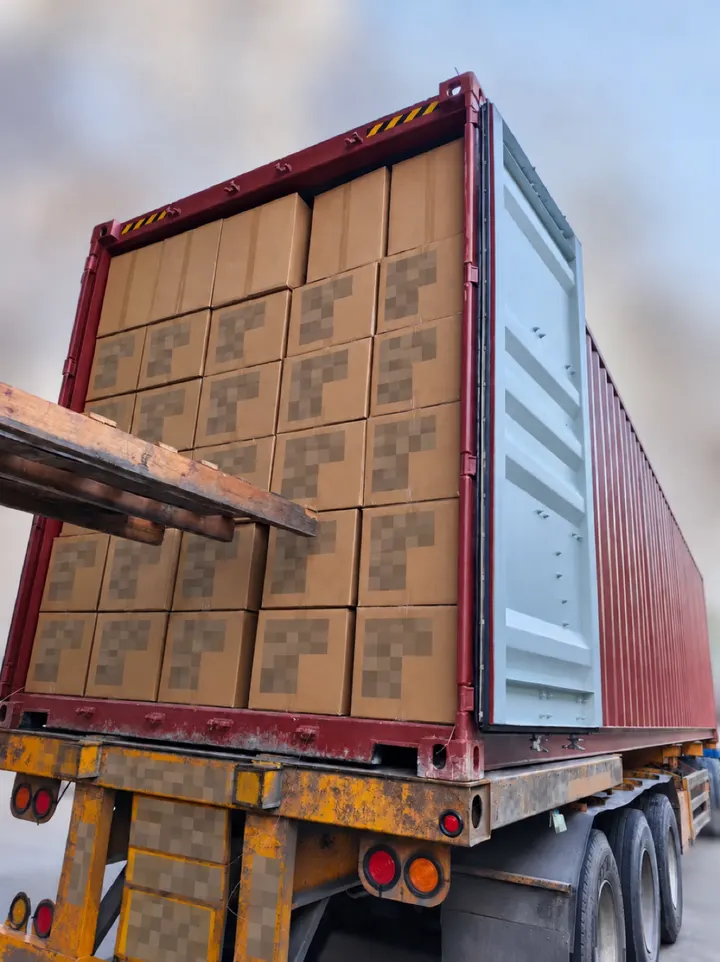
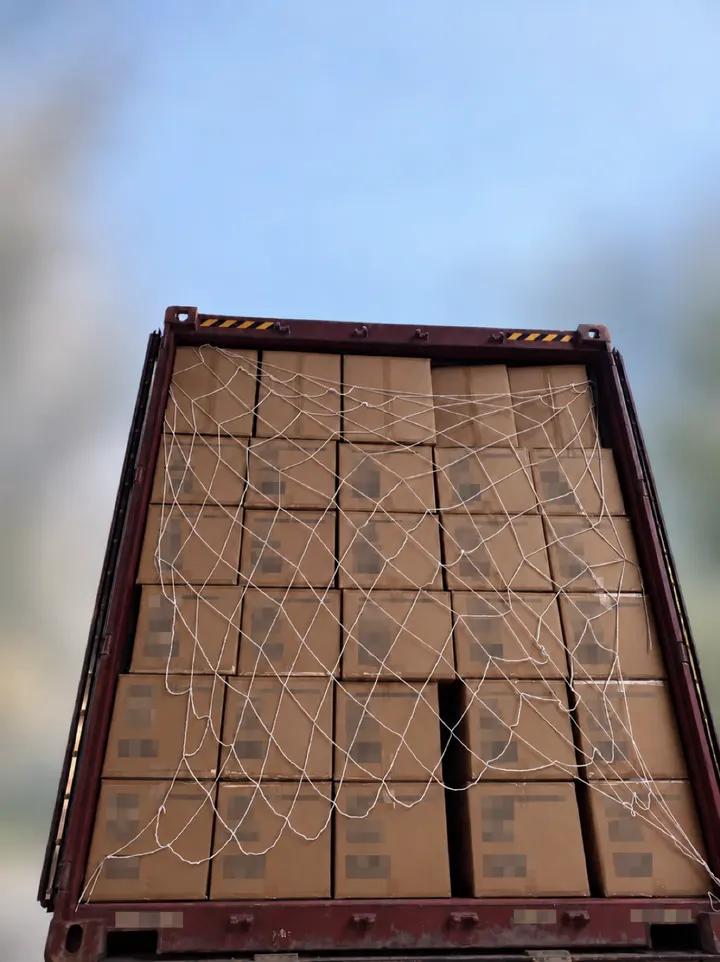
Cartons, labels and pallets are examined before departure. Container loading is checked, then secured with a net before the container is closed.

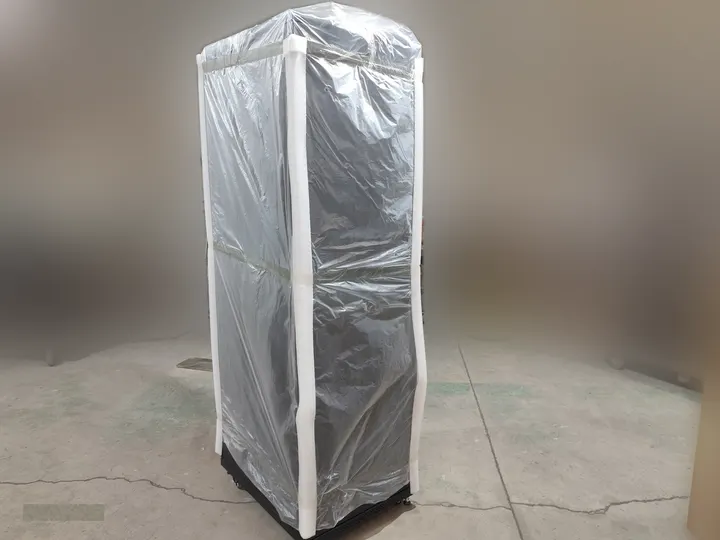
  • Packing and protection of a cabinet
    Packing and protection of a cabinet
  • Plastic wrapping around the product
    Plastic wrapping around the product
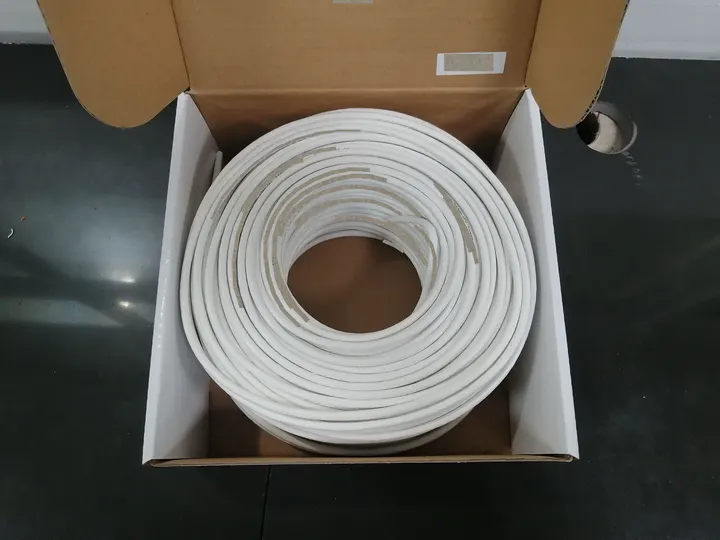
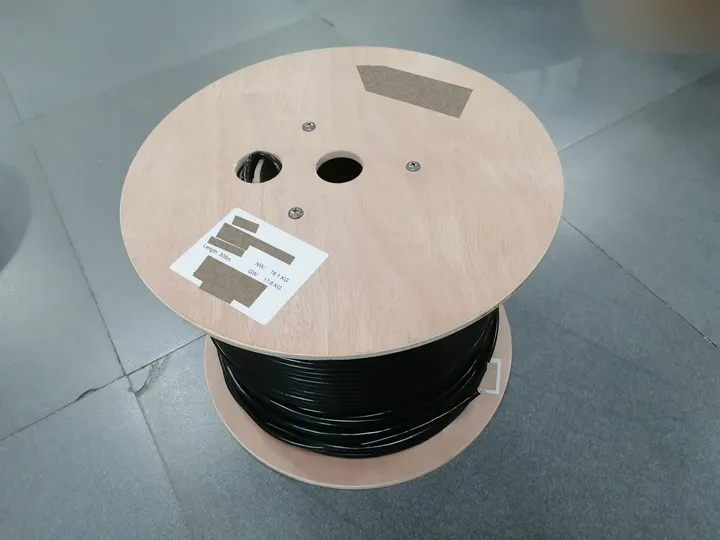
  • Boxing a cable coil
    Boxing a cable coil
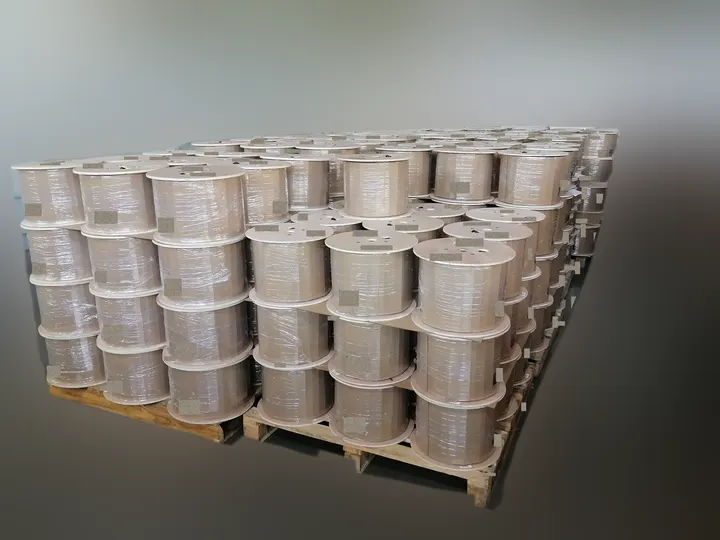
  • Wooden reel
    Wooden reel
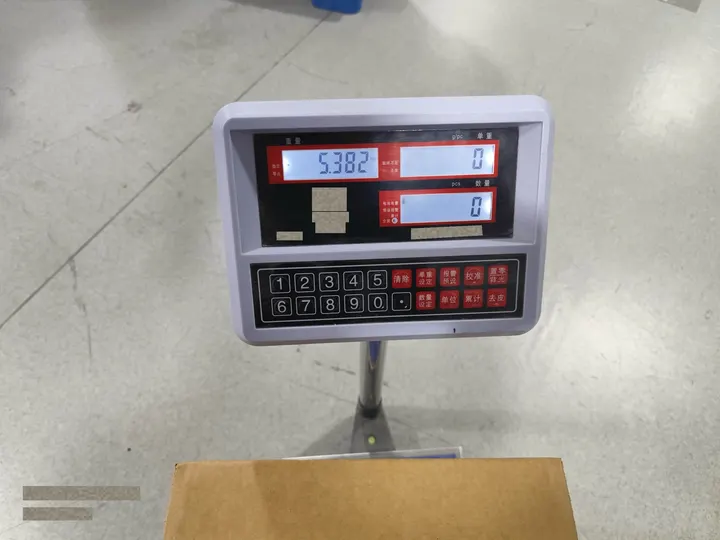
  • Weighing a carton
    Weighing a carton
  • Weighing the reels
    Weighing the reels
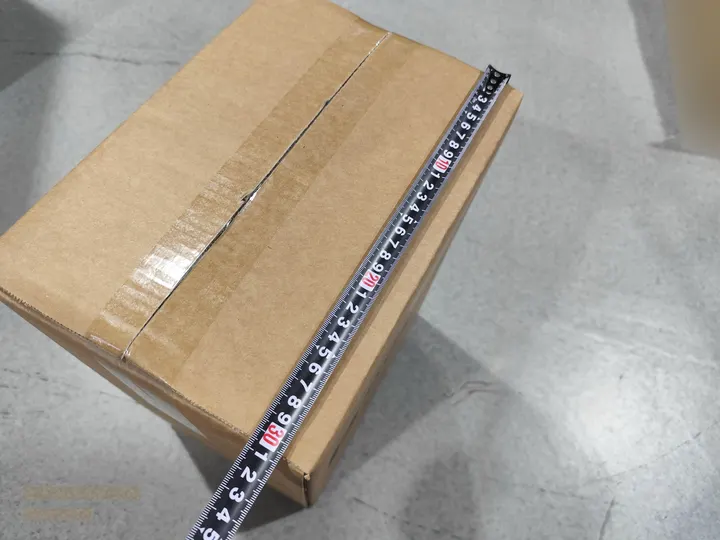
  • Measuring an export carton
    Measuring an export carton
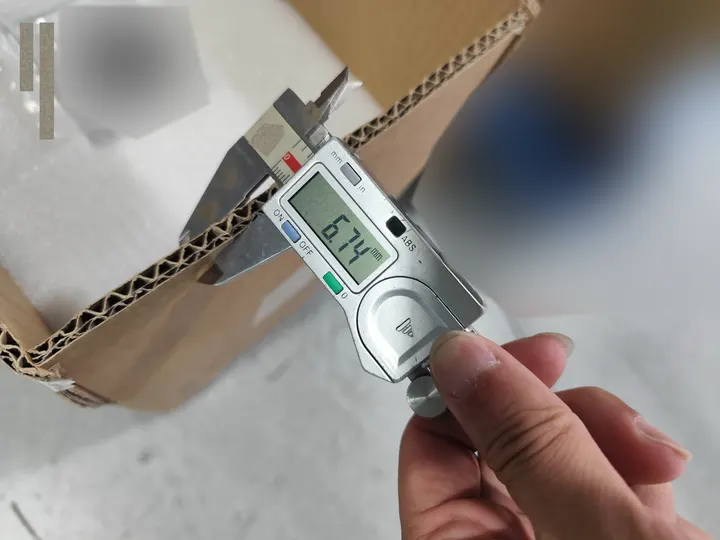
  • Carton thickness
    Carton thickness

1 / 8

  1. Individual packaging

    Each product is protected separately before being grouped.

  2. Cartoning & load securing

    Closed cartons, pallets wrapped and strapped for transport.

  3. Optimised loading

    Container volume is used to the fullest, with the load braced.

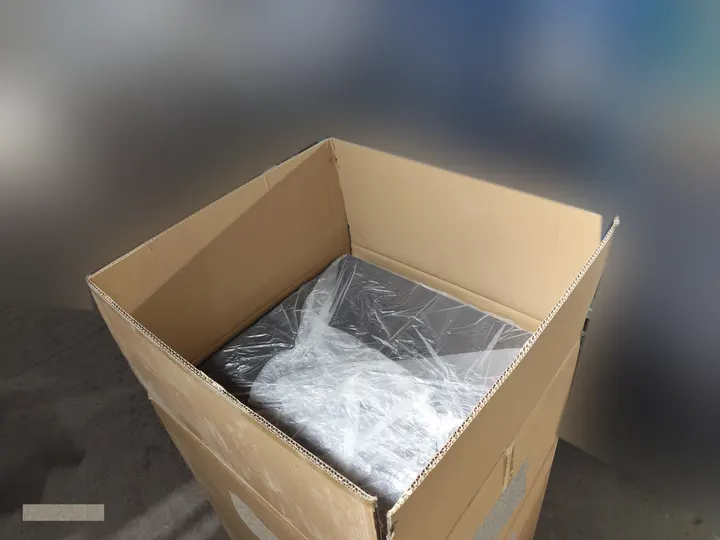
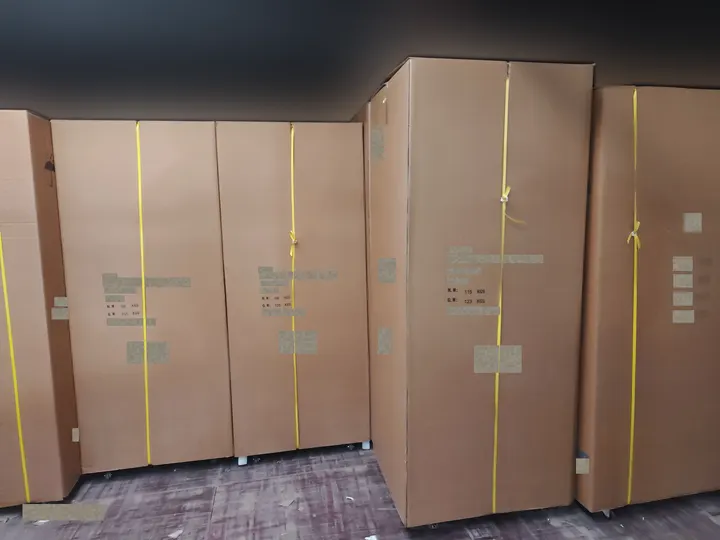
  • Large cartons
    Large cartons
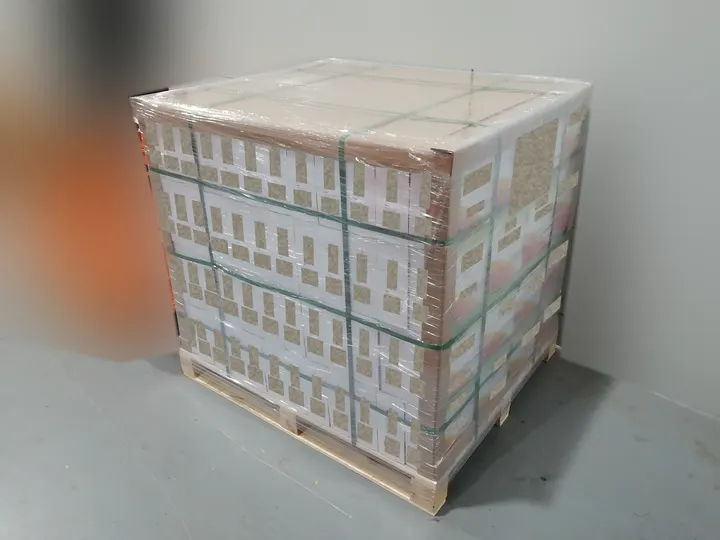
  • Wrapped pallet
    Wrapped pallet
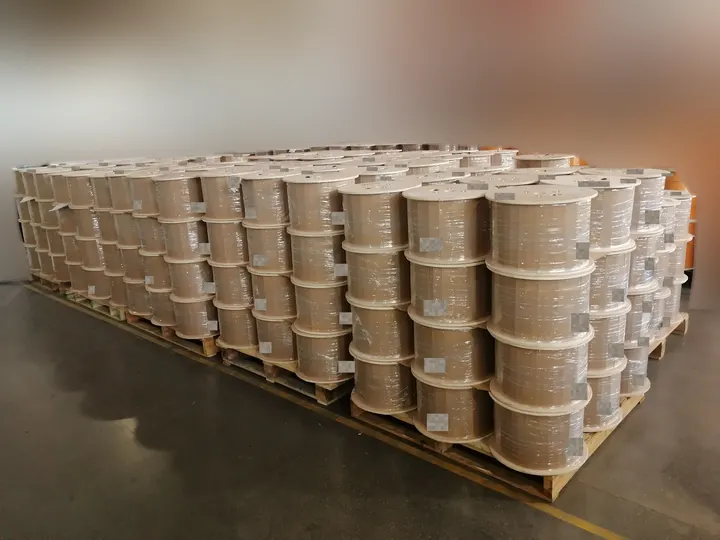
  • Cable reels stacked on pallets
    Cable reels stacked on pallets
  • Pallets of reels, close-up view
    Pallets of reels, close-up view

1 / 4

Behind the container you receive, carefully loaded and optimised, lies a whole well-oiled mechanism of controlled logistics and specialist expertise that your customers will appreciate.

Your products come from the low-current (ELV) manufacturers who make them best, partners who know how to deliver quality and quantity on time. We work with them because we have selected, checked, audited and qualified them, and we have done so for years. Thanks to this mechanism, your products arrive at your points of sale ready to be installed.

  • Loading into a container
    Loading into a container
  • Maximum use of the container volume
    Maximum use of the container volume
  • Securing the cargo with a safety net
    Securing the cargo with a safety net

How we work

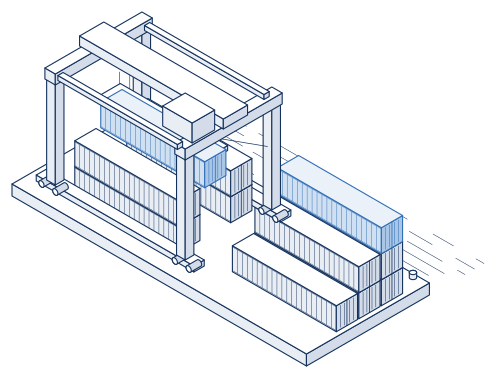
Port gantry crane and stacked containers on a quay, several of them blue

We produce in volume for distributors, with one requirement: each product is made by the factory that masters it best. For every order, our teams orchestrate an extensive network of carefully selected specialised manufacturers, to deliver the best of each to you. Every order ships with a complete documentation pack.

We work on FOB China terms, in coordination with your freight forwarder.

A question about how we work, or interested in becoming a partner? Get in touch.

Become a partner